Chevron–Microsoft data center agreement highlights how Permian Basin production growth and infrastructure buildout are positioning it as a dual supply hub for LNG exports and AI power demand. 

U.S. natural gas markets are entering a structurally higher demand regime, with EIA forecasting record production, consumption, and LNG exports through 2027 alongside rapidly rising power demand driven by AI data centers. Chevron’s 20-year agreement with Microsoft for the 2.67 GW Project Kilby in Reeves County (Figure 1) highlights a new category of demand emerging directly within producing basins rather than at coastal export terminals. TGS data shows the project is being developed in one of the most rapidly expanding natural gas producing regions in North America. Reeves County gas production has increased from 0.6 Bcf/d in 2021 to >2 Bcf/d in 2026 (Figure 2), positioning it as a core supply hub within the Delaware Basin, meaning Kilby alone could represent roughly 20–25% of current county production at full utilization.

Figure 1-Jun-26-2026-03-50-35-1109-PM
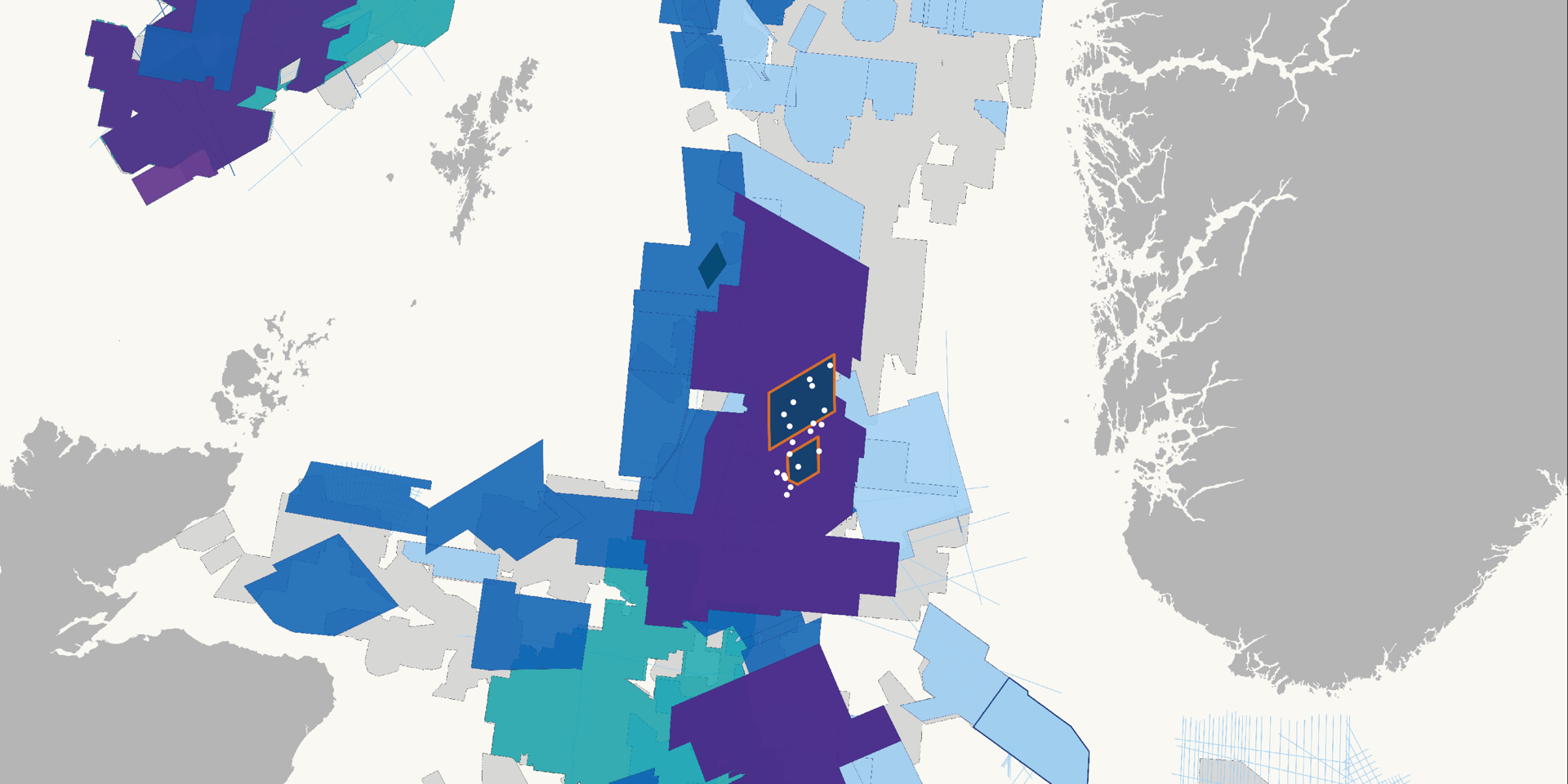
Figure 1. TGS Operator map near the Project Kilby location (star) in Reeves County, Delaware Basin.

While LNG exports remain the dominant source of incremental U.S. gas demand, TGS analysis indicates that AI infrastructure is emerging as a meaningful secondary demand driver with highly localized supply implications. Across the Delaware Basin, natural gas production has increased several times faster than U.S. gas production since 2021, reflecting the impact of oil-directed development, rising associated gas output, and emerging contributions from plays such as the Woodford Shale. The Delaware Basin now accounts for approximately 15% of total U.S. gas production, while the Midland Basin contributes another 7% (Figure 2). This concentration of supply growth has positioned a relatively small number of counties and operators to play an outsized role in meeting both export-driven and domestic demand growth.

Figure 2-Jun-26-2026-03-50-50-2804-PM
Figure 2. Daily Gas Production by Basin (upper) and by County in Delaware Basin (lower).

Project Kilby is strategically located within this high-growth production corridor and near major gas producers including Chevron, Apache, and Permian Resources (Figure 1). Unlike traditional data centers that rely on grid-supplied electricity, Kilby is expected to be powered by dedicated onsite natural gas generation, creating a direct link between Permian gas supply and AI-driven power demand. The project may also leverage an established regional gas infrastructure network supported by approximately 22.5–23.0 Bcf/d of existing Permian takeaway capacity, with an additional 8.6–11.0 Bcf/d of pipeline capacity expected by 2030. This continued buildout is designed to move growing Permian gas volumes to Gulf Coast LNG facilities, where export pricing has increasingly supported premium market access relative to domestic demand centers.

The convergence of LNG expansion and AI-driven electricity demand represents a structural evolution in U.S. natural gas markets. Unlike traditional LNG facilities concentrated along the Gulf Coast, AI data centers are increasingly being developed directly within producing basins, creating a new layer of localized, baseload gas demand. The key takeaway from TGS data is that the Permian Basin is transitioning beyond a supply engine alone; it is becoming an integrated energy hub where upstream production, midstream infrastructure, and large-scale digital power demand converge.

For more information about TGS Well Data Analytics or to schedule a demo, please contact us at WDPSales@tgs.com.