

In the last edition, we introduced the 2026 Exploration Outlook and the Discovery Series with a look at how data and discoveries are converging across some of the year’s most active exploration themes. This week, we turn to Egypt, where the story is less about opening a new frontier and more about what established basins can still deliver when proven petroleum systems, existing infrastructure and modern seismic insight come together.
Egypt remains a cornerstone of hydrocarbon exploration in the Mediterranean. Denise-West-1 in the Nile Delta, announced by Eni in April 2026, again shows continued running room in existing plays. The discovery is operated by Petrobel, the operating joint venture between ENI and bp. The discovery size was announced as ~2tcf with additional associated condensate, making it the largest discovery in Egypt since 2023. The reservoir is similar to Temsah, which has been producing since 2001. High-quality gas-bearing sandstone reservoirs within the Mid-Late Miocene Sidi Salem Formation were encountered across a gross interval of approximately 90 meters.
Egypt, with its growing domestic gas demand, is highly motivated for gas development. As this well is less than 10km from existing infrastructure, in only 95m water depth, it has the potential for fast-track development with first gas anticipated in 2028. Although post the Zohr discovery, there are more frontier wells being drilled in the deep water and west of the Nile Delta, these shallower water extensions of existing plays are key to meeting the required near-term gas demand. In 2025, agreements signed with EGPC and EGAS for a 20-year renewal of the Temsah concession allowed the operators the confidence to commit to additional drilling in the area and the extension of the life of the infrastructure.
Beyond the new plays, the 2026 license round has also attracted interest in some of the more frontier areas, with blocks such as West and South Zohr in the deep water on the Cyprus border available for license. Egypt also continues to very actively promote it's onshore and Red Sea acreage. TGS is currently reprocessing Egypt MC2D data in the Mediterranean offshore and this will likely help improve the imaging and interpretation of sub Messinian targets.
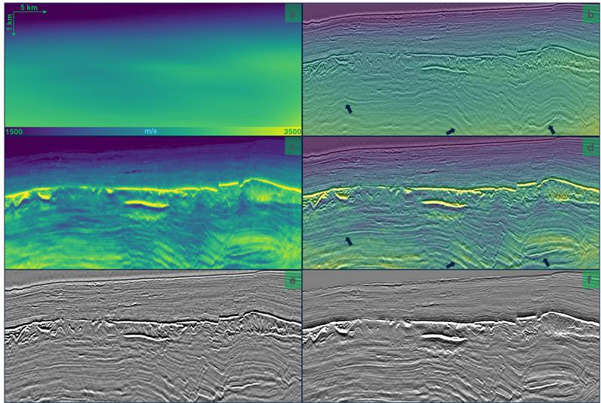
While large discoveries are yet to be made in the more western frontiers beyond the main Nile delta cone, the industry remains optimistic that these are imminent.
Join us next week to explore more of the data behind the discoveries and all of today’s exploration opportunities. Visit TGS seismic data library or contact us to schedule a data showing.
Go Deeper
-
Eastern Mediterranean: https://hubs.ly/Q04B3lDJ0
-
Egypt’s West Mediterranean Sea – An Exploration Hotspot: https://hubs.ly/Q04B3mK90
-
Efficient Acquisition Solutions for Pre-Messinian Imaging in the Eastern Mediterranean: https://hubs.ly/Q04B3nsk0
-
Mitigating Mediterranean Sea Data Challenges Before Imaging - Case Study: https://hubs.ly/Q04B3pgc0