


Independents Raise Operational Activity to Capitalize on New Pricing Environment
Last week, the US and Iran reached an interim agreement for a 60-day ceasefire, potentially paving the way for a full reopening of the Strait of Hormuz, and reducing concerns of an oil supply shortage. In response to the announcement, WTI price per barrel dropped 15% from its average during the war, though it remains up 15% from its 2025 average. With a 37% rise in the average futures curve oil price through 2027 indicating a structure shift in the oil price via a geopolitical risk premium, more nimble, independent operators are set to be the first to capitalize in the 2H of 2026, with a rise in operational activity from mid-to-large public operators likely delayed to 1Q 2027. Although prices have risen over the past four months, executives at mid-to-large public operators (>$5 billion market cap) have held to capital discipline, reiterating they have no plans to substantially raise capex for the remainder of the year, and reflected in slightly declining permit activity since the start of the conflict per TGS Well Data Analytics. Conversely, independent operators have reacted quickly to the jump in oil prices with permits up 26% across the US, including a 100% jump across the Rockies.
As we mentioned in our mid-April spotlight, initial operational response to the price increase was muted, with only a 5% increase in permits in the first 6 weeks of the conflict. Through mid-June, permit activity has remained relatively flat relative to the 14 months leading to the conflict, rising only 9%. (Figure 1). The modest increase in activity is attributable to small, independent operators with a 26% increase in permit activity during the conflict period versus public operators declining 6% (Figure 2). Although permit activity among independent operators increased by an average of 50% across the Permian, Anadarko, Haynesville, and Eagle Ford / Gulf Coast Basins which have direct takeaway access to the Gulf Coast, the Rocky Mountain Basins exhibited the largest relative increase in activity (Figure 3). Throughout the Uinta, Powder River, and DJ, permit activity doubled during the conflict, with 87% of new permits targeting Niobrara, Mesa Verde, Wasatch, Codell, Green River, and Mancos.
Although independent operators ramped up permitting activity during the conflict, mid-to-large sized operator operational activity slightly decreased, a continuation of the slow operational activity decline through 2025 which saw permits drop 9% YoY through January 2026 (Figure 2). Coming into 2026, the EIA predicted oil price during the year would average $56 / BBL, a 19% decrease from 2025. Due to the forecasted drop in oil prices, operators trimmed capital budgets going into the year and were expected to keep activity flat to slightly lower. Once the conflict began, even though oil prices initially doubled, the futures curve was still signaling the market expected a relatively quick return to projected 2026 oil prices with futures curves declining by an average of $5 / BBL per quarter through the end of 2027. In response, mid-to-large size operators continued with their 2026 plans for slightly slowing activity, while more nimble, independent operators took on additional risk and moved operations into position to capitalize on any upward structural shift in the futures curve. As the conflict wound down last week with announcement of the interim agreement, the futures curve stabilized with a clear upward shift caused by a built-in geopolitical risk premium because of the conflict, with average WTI futures prices through 2027 up 37% versus pre-conflict. Furthermore, the curve is relatively flat with a standard deviation of $2 / BBL through 2027, down 80% from the conflict period. Although the long-term pricing environment has become more favorable with higher oil prices and a more stable futures curve, a rise in activity among public operators may not be apparent until 2027 when mid-to-large sized operators are able to revise their capital budgets. Thus, independent operators are likely to be the driving force for any increases in US oil production in the 2H of 2026 as they begin to ramp up operational activity.
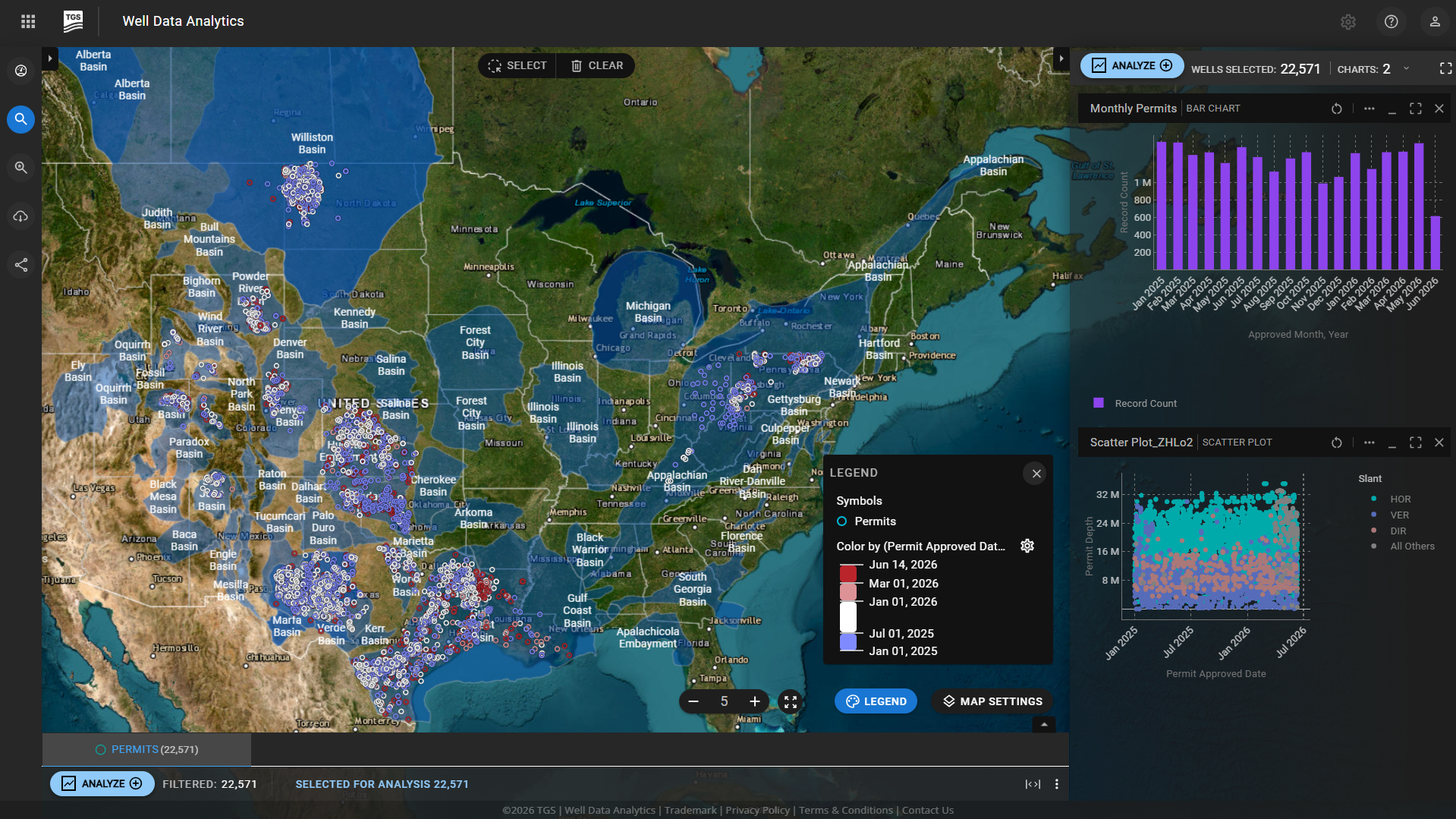 Figure 1: Approved permits across major basins (Jan 2025 – Present).
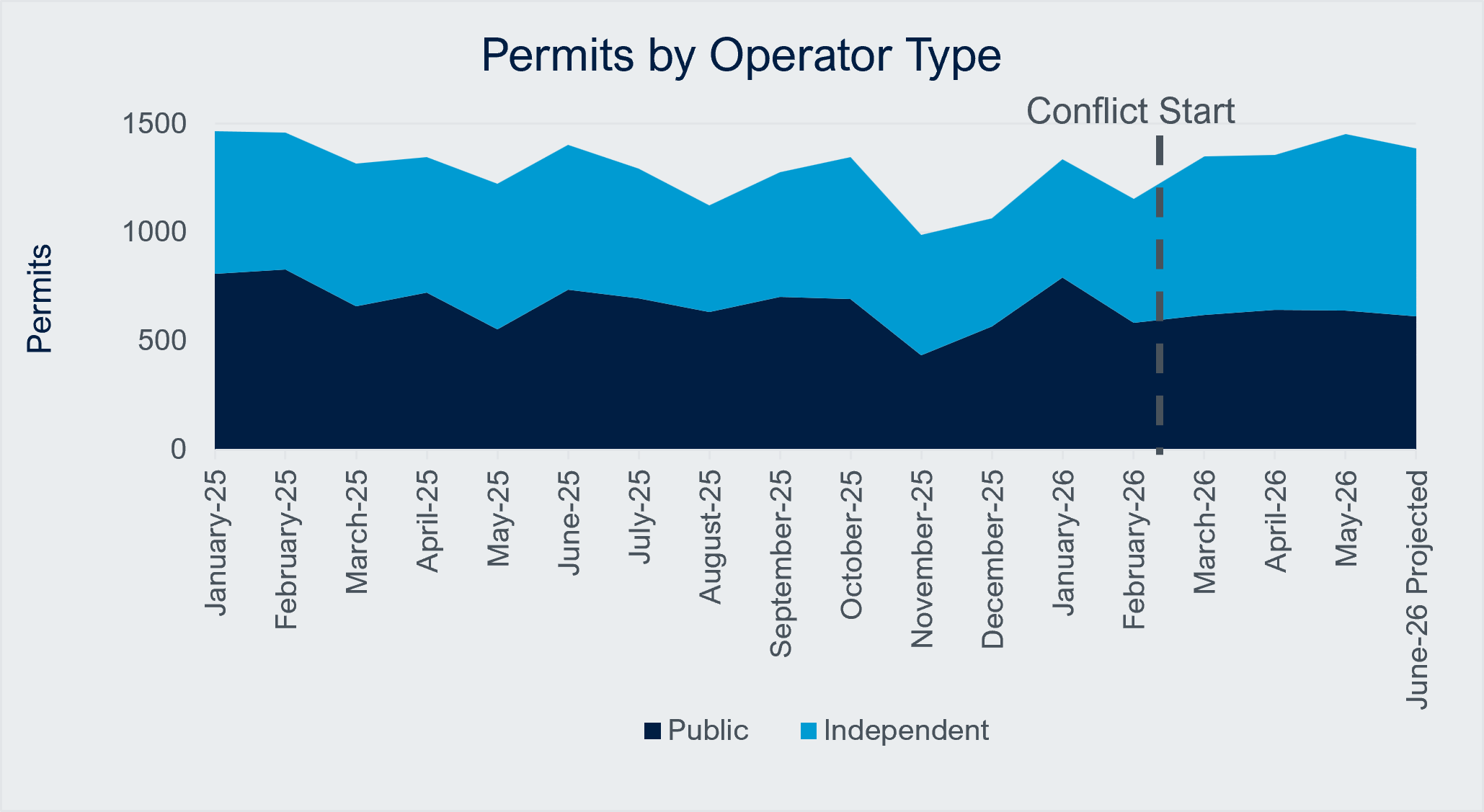 Figure 2. Approved permits by operator type (Jan 2025 – Present).
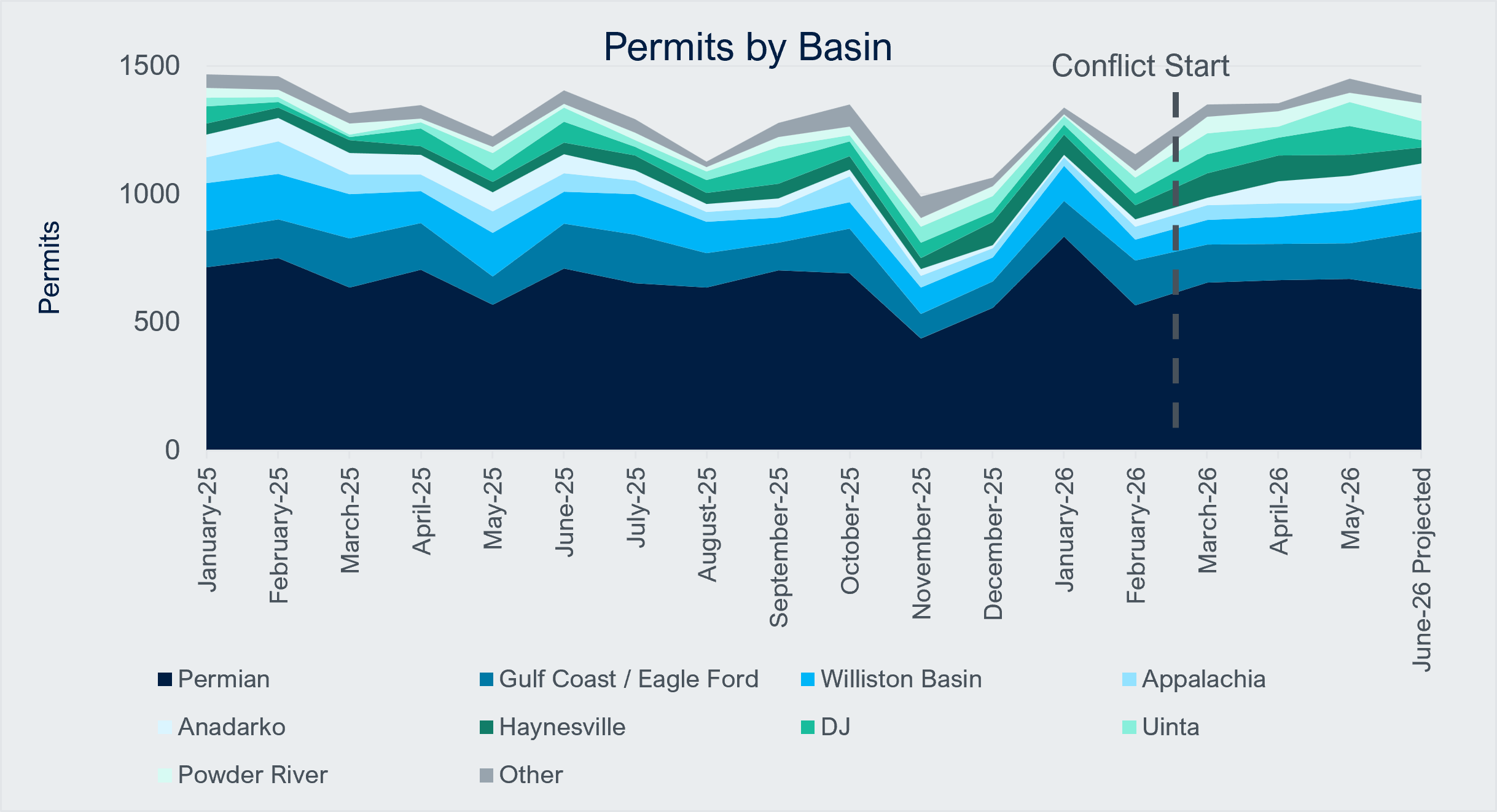 Figure 3. Approved permits by major basin (Jan 2025 – Present).
For more information about TGS Well Data Analytics or to schedule a demo, please contact us at WDPSales@tgs.com.