

Onshore Operational Activity Remains Flat as Operators Protect Inventory & Prioritize Cash Flows.
Over the past 6 weeks, commodity markets have experienced elevated levels of volatility due to the ongoing Middle East conflict, with West Texas Intermediate (WTI) breaching $100 per barrel in early April for the first time since 2022. Even with hedging programs in place, per TGS Well Data Analytics, and a flat production outlook, a 150 well Permian program can still realize 1-year FCF flow increase of $203-475 million for hedging ranges of 25-75%. As we mentioned in our mid-March spotlight, although the oil price has remained elevated above $90 per barrel, many commodities analysts and the industry at-large still expect the conflict to be relatively short-lived. However, even if the conflict ended today, several companies have raised concerns that Middle East infrastructure will take several months to recover from damages sustained during the conflict, possibly lending a longer duration of higher oil prices than previously expected. Although prices could remain elevated, US shale operators are physically constrained to increase drilling activity due to limited spare takeaway capacity and financially constrained by long-term and tranche hedging, capping upside from an aggressive expansion of drilling programs. As a result of these constraints, both public and independent executives in recent weeks have announced that they are not committing to rapidly ramping up production in response to the price increase, and plan to keep operational activities relatively flat.
Since the conflict started, operational response to the price increase has been muted across the board, reflected in relatively flat permit activity since the conflict began. To analyze operational response to the increase in oil prices, permit activity was used as a proxy to indicate future levels of drilling activity and production by extension. From 2025 through present, over 18,000 permits were approved across the major resource plays in onshore US, with half occurring in the Permian Basin (Figure 1). In the 14 months leading up to the conflict, monthly approved permits averaged 1,200 per month, and steadily declined, with a 23% YoY decrease in total permits from February 2025 to February 2026 (Figure 2). In the 6 weeks since the conflict began, the monthly average permits have remained flat relative to February 2026 permit levels, with only a 5% growth. The increase has been primarily driven by independent operators with a 15% increase in permits, likely due to the nimble nature of smaller organizations, making it easier to quickly raise and deploy capital (Figure 3).
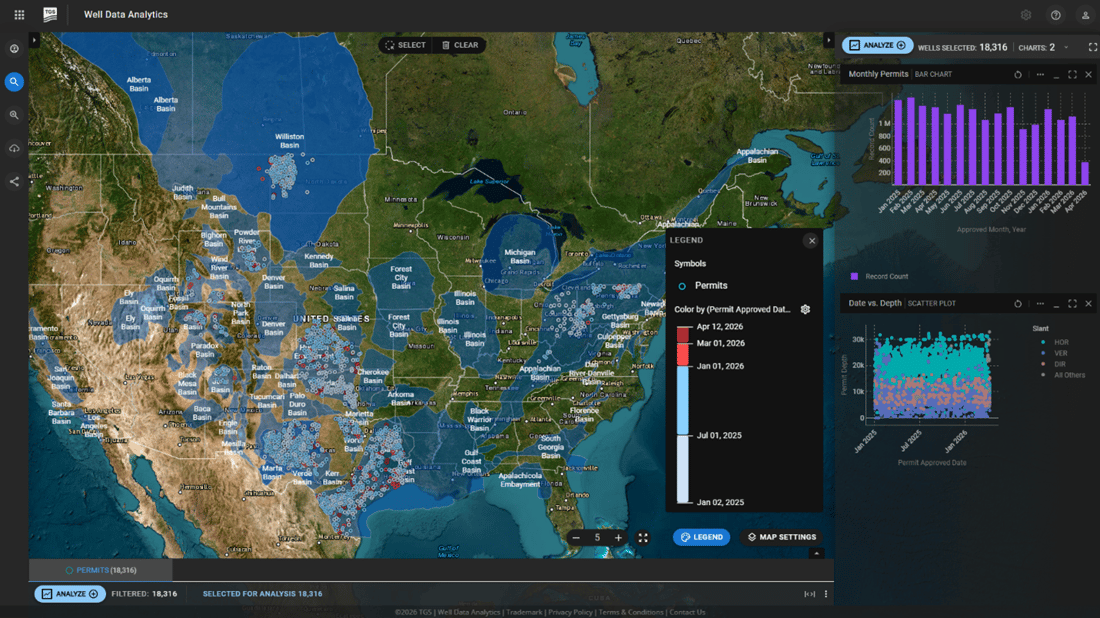 Figure 1. Approved permits across major basins (Jan 2025 – Present).
While many Permian operators came into 2026 with little to no price-capping derivatives in place, hedging activity significantly ramped up in January of 2026 as many operators capitalized on increased prices as a result of an unexpectedly strong winter. At the same time, as discussed in our mid-March spotlight, companies are focused on efficient operations to capture margin expansion. To analyze how hedging levels affect FCF, hedging levels were integrated into that analysis by assuming tranche hedging where 25% of hedges expire every 6 months, an unhedged $90 price deck, and a hedged $60 price deck (Figure 4). According to TGS Well Economics, each 25% decrease in the amount of production hedged increases 1-year well-level FCF by 27% versus baseline. For a 150 well Permian program split evenly across Bone Spring, Delaware Wolfcamp, and Midland Wolfcamp-Spraberry, this equates to a 1-year FCF flow increase of $203-475 million for hedging ranges of 25-75%. Thus, even for heavily hedged operators who grew their hedging positions in the early part of the year, operators can still realize significant upside from growth in FCF.
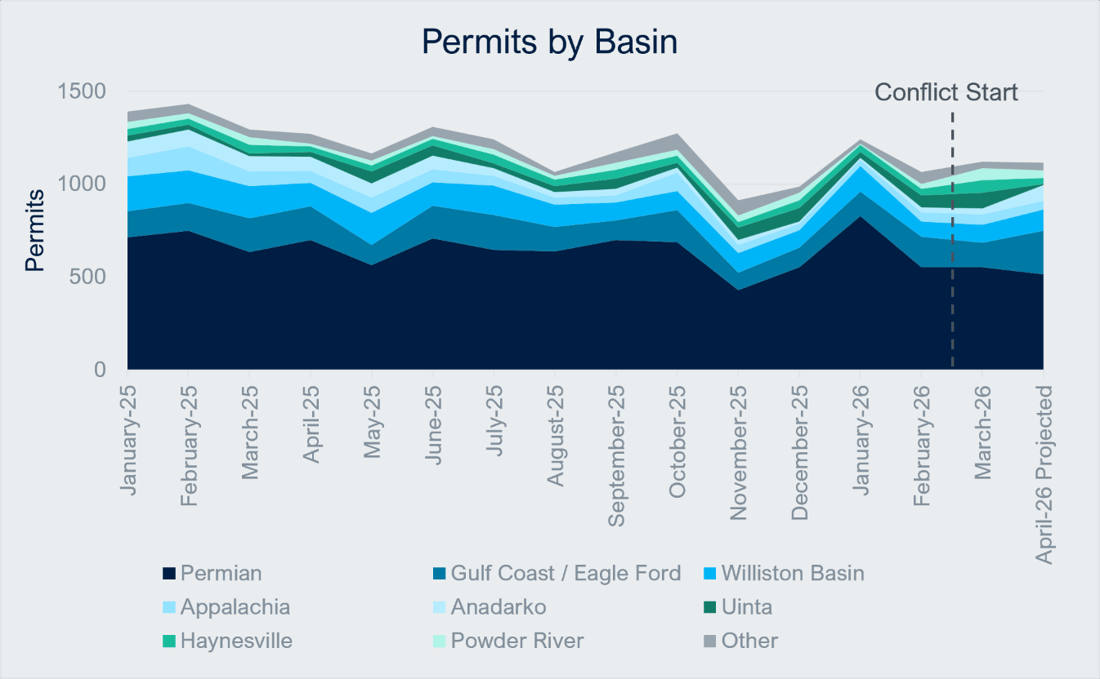 Figure 2. Approved permits by major basin (Jan 2025 – Present).
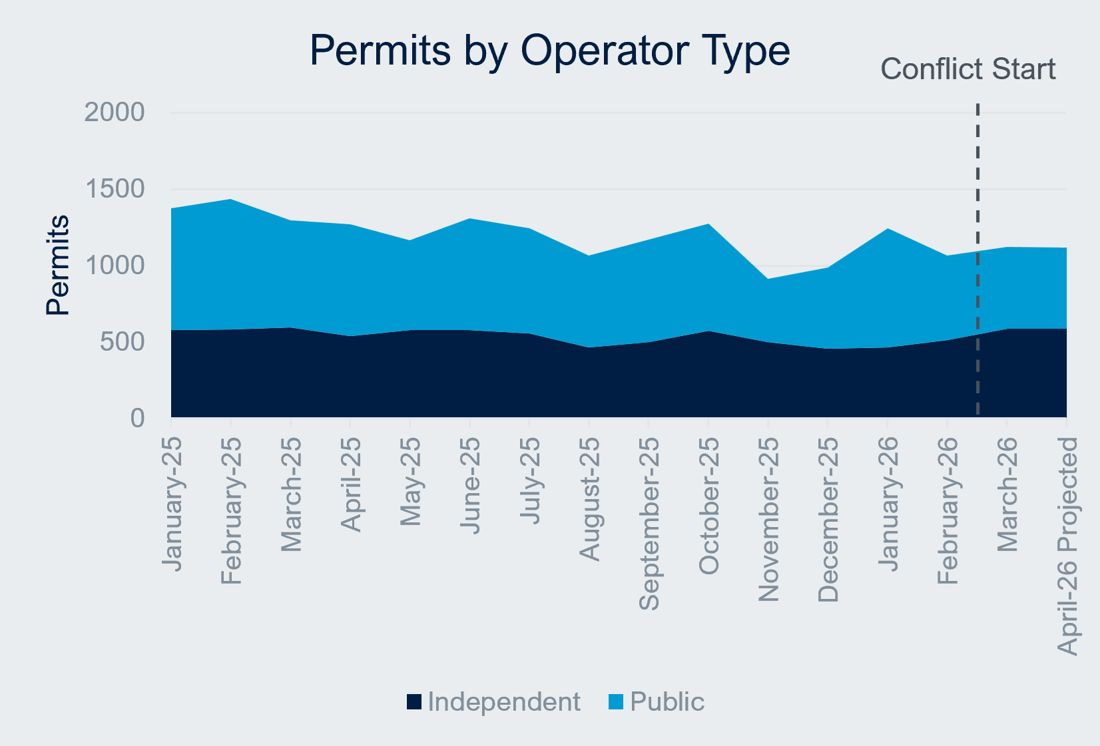 Figure 3. Approved permits by operator type (Jan 2025 – Present).
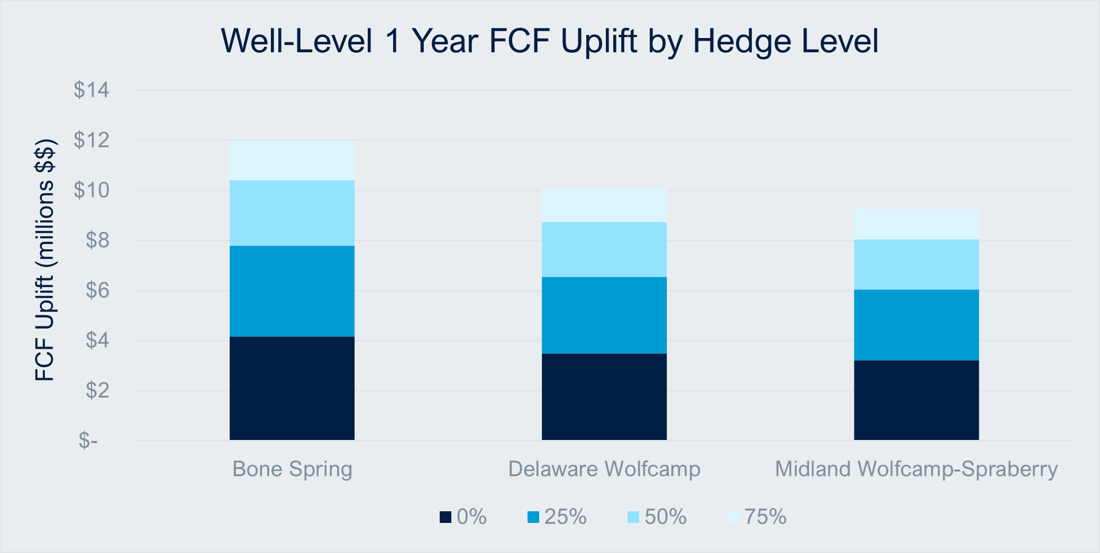
Figure 4. Increase in 1-yr well-level FCF based on hedge level.
For more information about TGS Well Data Analytics or to schedule a demo, please contact us at WDPSales@tgs.com.