

As prime oil inventory becomes scarce, operators look to gas to satisfy LNG demand.
Last week, reports emerged that SM and Exxon are both exploring divestitures of their Eagle Ford assets. The news follows several exits of the play over the last few years such as Chesapeake for $3.5 billion and Baytex for $2.3 billion as prime oil-weighted acreage continues to dwindle and operators focus on consolidation to optimize cost structures. Companies in the area are also increasingly focused on meeting LNG demand from nearby Gulf Coast export terminals. According to TGS Well Data Analytics, the Eagle Ford is in a prime position to meet rising natural gas demand with gas production up 25% and breakevens down 13% since 2023.
Unconventional production in the Eagle Ford shale began to take off in 2010, jumping from 57,000 bb/d and 1.9 BCF to a peak of 1.7 MMBO/d 6.2 BCF a day in 2015 (Figure 1). Since then, oil production has dropped by 41%, hovering around 1.0 MMBO/d since early 2020, while gas production has grown by 45% to 9.0 BCF/d over the same period. The increase in gas production follows a 61% increase in gas EUR/ft since 2020 alongside longer laterals, growing from just over 1 mile on average in 2015 to nearly 2 miles in 2025 (Figure 2). Longer laterals have also resulted in more efficient gas development strategies where the number of new gas wells has fallen by 17% in the last 3 years, yet gas production has risen by 25%. On the flip side, oil wells have remained relatively flat with steadily declining oil EURs/ft, dropping by nearly half since 2022 paired with a 32% jump in GOR, pointing to declining quality of oil acreage.
Although well performance has diverged by fluid type, more efficient operations through consolidation and lean completion design have helped operators optimize their cost structure. In the last 3 years, spud to completion times have dropped by 1/3 in the face of a 20% increase in the average lateral length. Over the same span, completions have remained relatively flat with only a 3% and 4% rise in proppant and frac fluid per foot of lateral length, respectively, resulting in an 11% rise in capex when combined with drilling costs (Figure 2). The efficiencies gained in drilling operations and completions are attributable to significant M&A activity since the start of 2023, where 58% of new production comes from the top 5 operators in the play versus 52% just 3 years ago (Figure 2). For gas wells this cost optimization with increasing productivity has led to 13% reduction in breakeven price vs 16% for oil wells, however, it should be noted that 2025 oil wells carry nearly double the breakeven versus gas wells, speaking to rising importance of gas as a driver of free cash flow. While productivity gains are boosting gas production across the play to feed growing Gulf Coast LNG demand, oil assets are becoming less favorable due to flagging productivity.
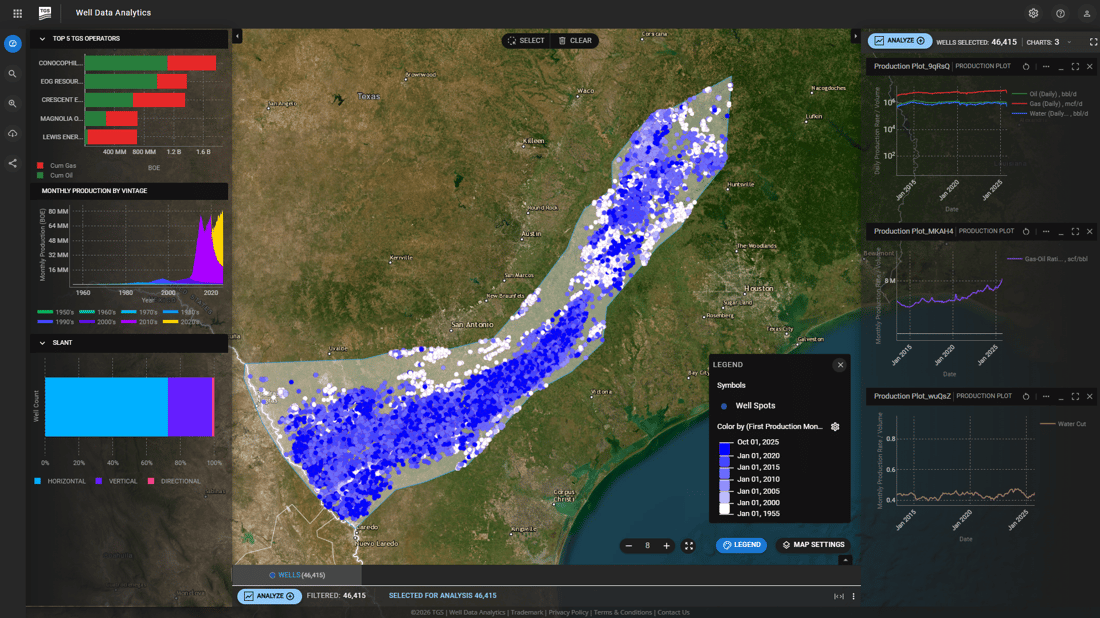
Figure 1. Overview of Eagle Ford play production.
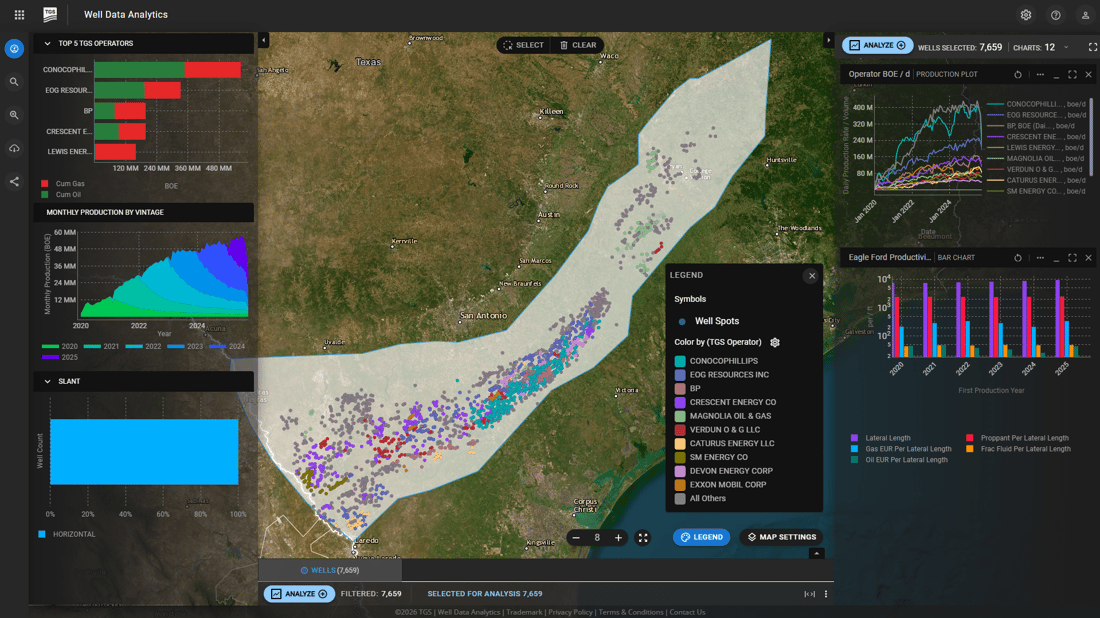
Figure 2. Operator production, performance, and completion design analysis of 2020-2025 Eagle Ford wells including: lateral length, gas EUR/ft, oil EUR/ft, proppant/ft, and frac fluid/ft.
For more information about TGS Well Data Analytics or to schedule a demo, please contact us at WDPSales@tgs.com.