

Evaluating Shell's $16 Billion Montney Bet
Continuing the current wave of consolidation, Shell plc has announced an agreement to acquire ARC Resources for an enterprise value of $16.4 billion. After previously divesting from their Canadian oil sands assets in 2017, this new acquisition of ARC Resources marks a significant return towards Canada as a “heartland for Shell”, but this time with a realignment to the gas-weighted, condensate-rich Montney play. TGS data shows that this acquisition will provide an immediate boost to Shell’s overall production of around 370 MBOE/d and more than double Shell’s Canadian forecasted producing gas reserves, with significant additional runway for further development. But of equal importance, the additional gas production will serve a critical role in supplying feed to Shell’s existing LNG operations in Canada as well as speculated LNG expansion in Canada.
In their acquisition press release, Shell lists a few key drivers for this deal: adding liquids production and reserve life, increasing gas and upstream compounded annual growth rate (CAGR) from 1% to 4%, increased exposure to Montney low-cost resource base, and approximately $250 million in savings from synergies. Using TGS Well Data Analytics we can see an overall comparison of Shell and ARC Resources assets across Canada (Figure 1). ARC Resources’ current production is approximately 376 MBOE/d, 81.5 MBO/d, and 1.8 BCF/d. Using TGS forecasted production from producing wells we can also see ARC PDP Reserves of approximately 4.8 TCF and 159 MMBO, compared to Shell’s 2.1 TCF and 190 MBO. From this perspective the liquid production and reserves rationale is clearly satisfied.
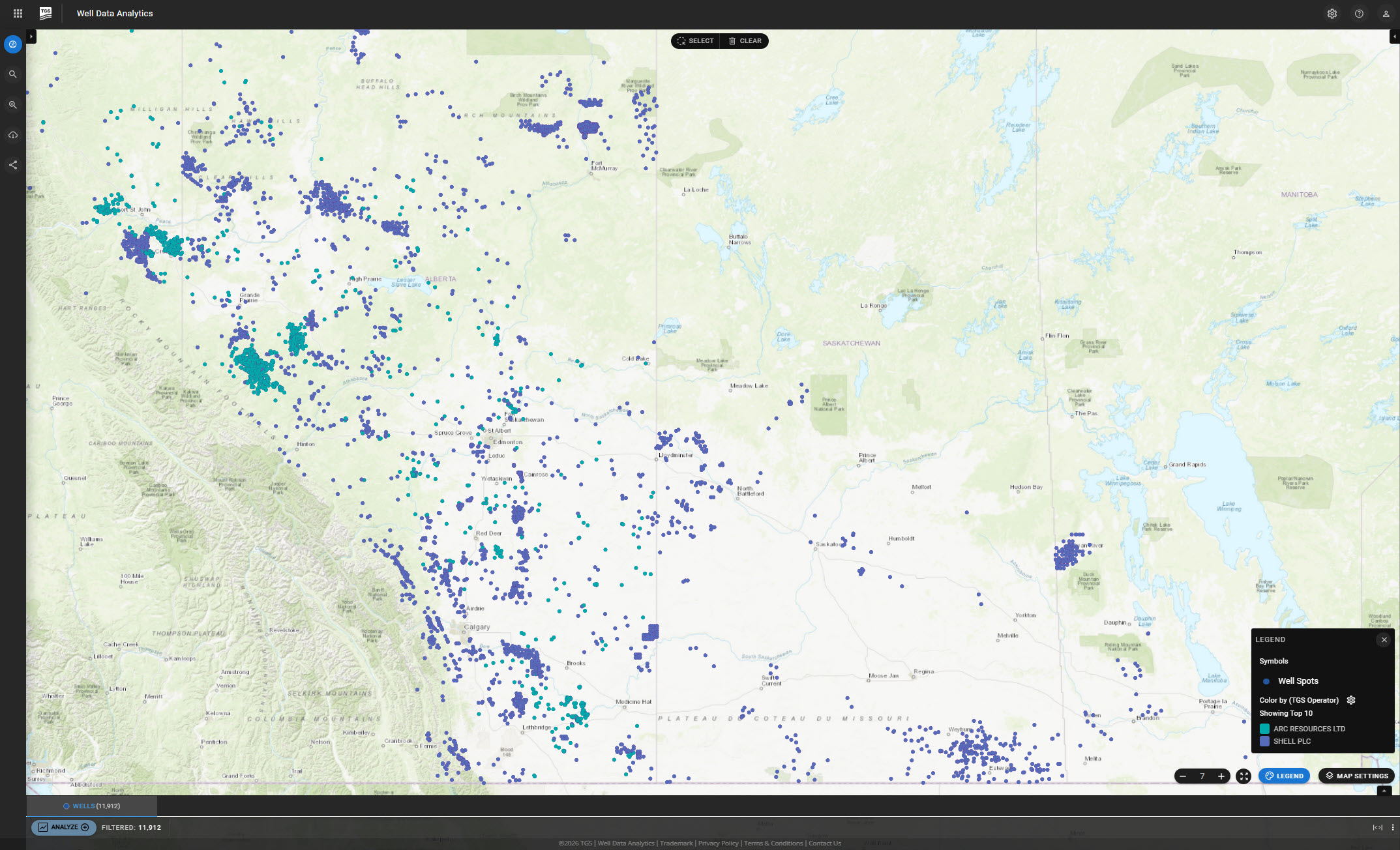
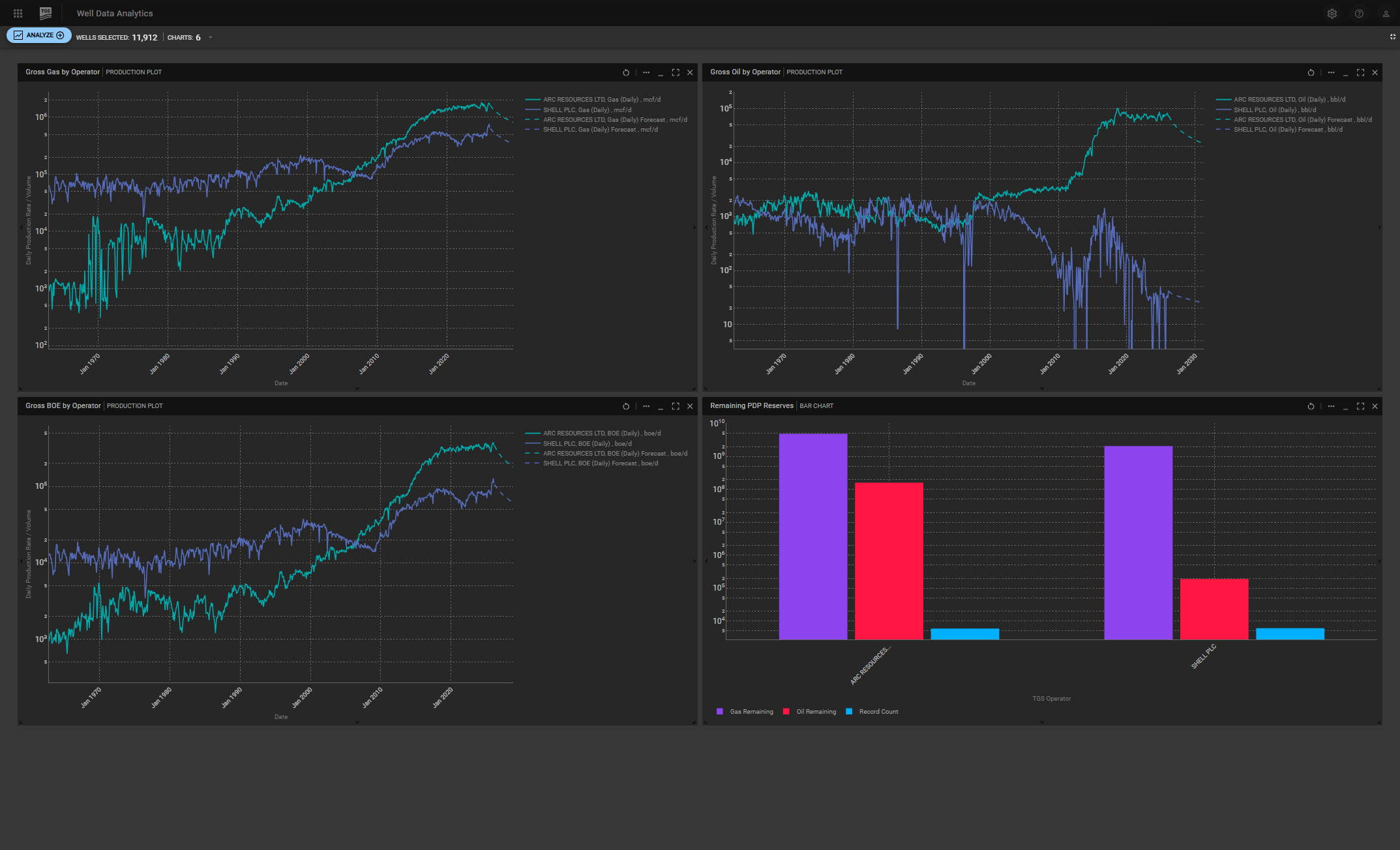 Figure 1. Canada Shell and ARC Resources Benchmark
Shell also broke down the acquisition by key ARC asset (Figure 2). Out of the 4 plays listed, Kakwa is the clear standout. Again, TGS Well Data Analytics shows current ARC production at approximately 80 MBO/d and 780 MMCF/d (Figure 3). But here we see significant potential for additional development from the ARC oil type curves. ARC Resources Kakwa wells average 252 MBO EUR over 40 years, and average 6.8% monthly effective decline over the first 2 years of production. This validates another key indicator from the Shell acquisition presentation, which lists ARC as a “best-in-basin liquids operator” based on their modern oil well type curves.
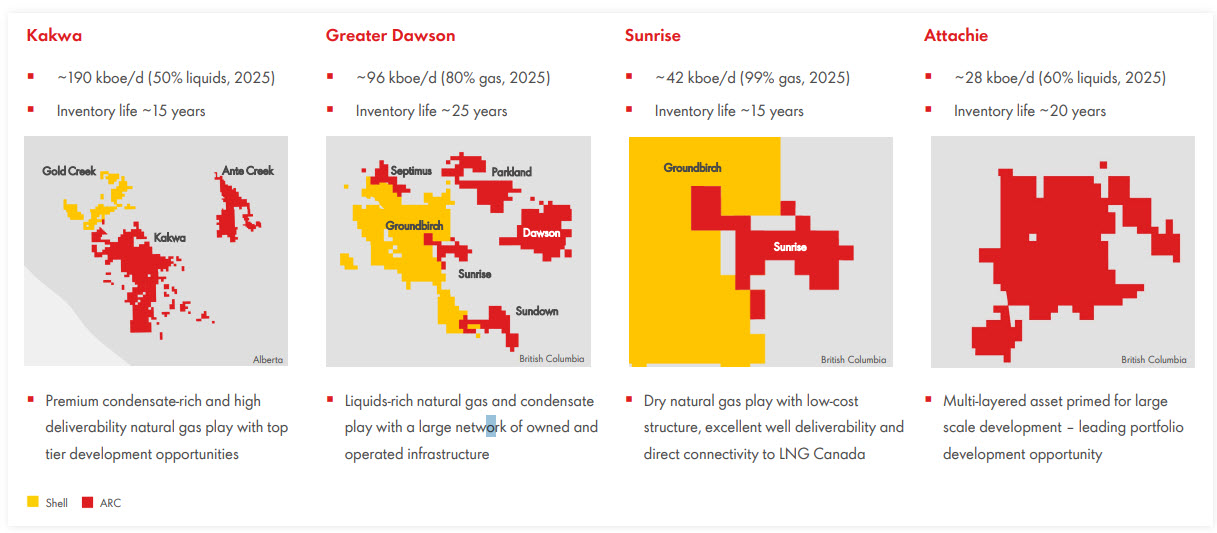
Figure 2. Key Asset Breakdown from Shell Announcement
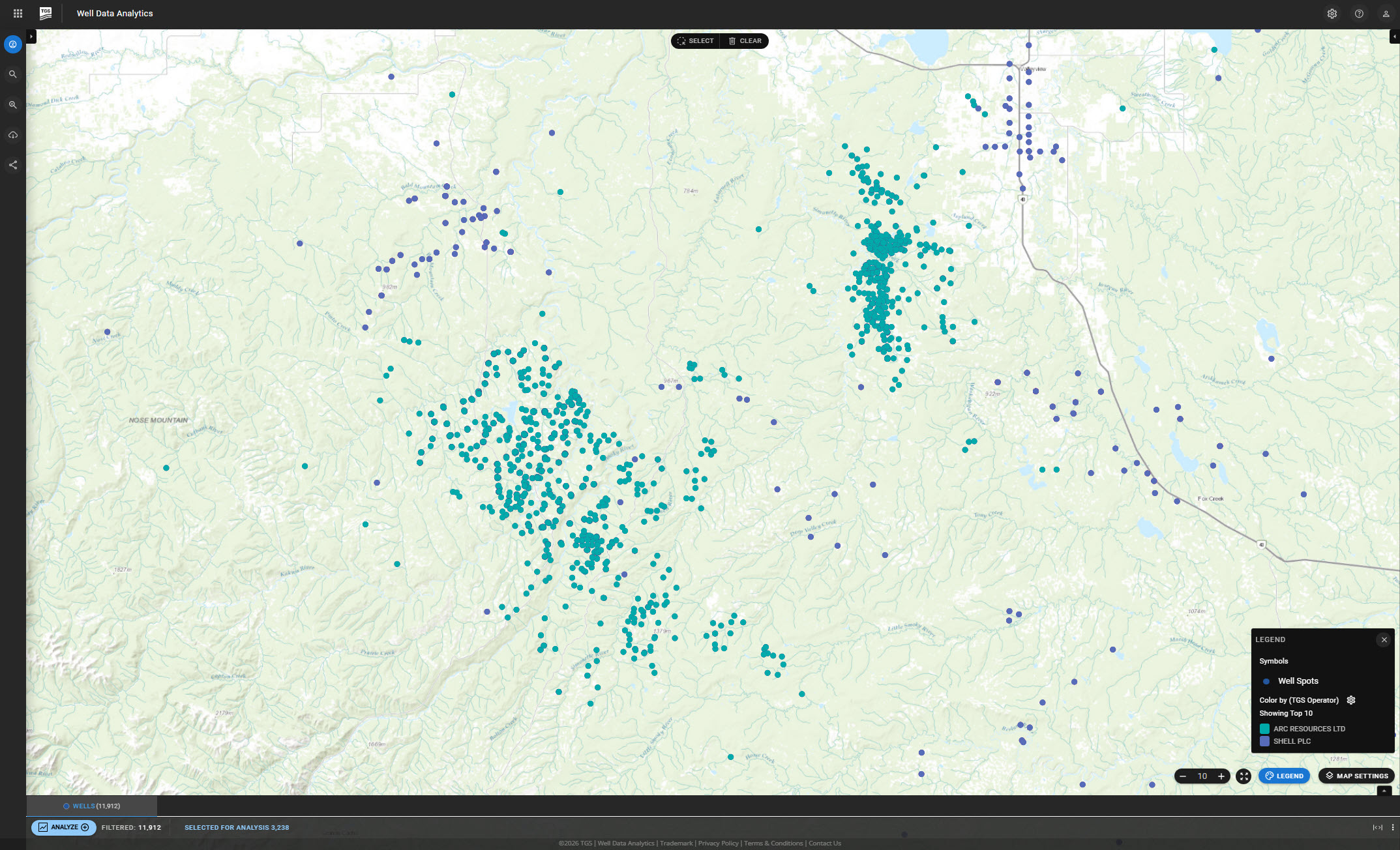
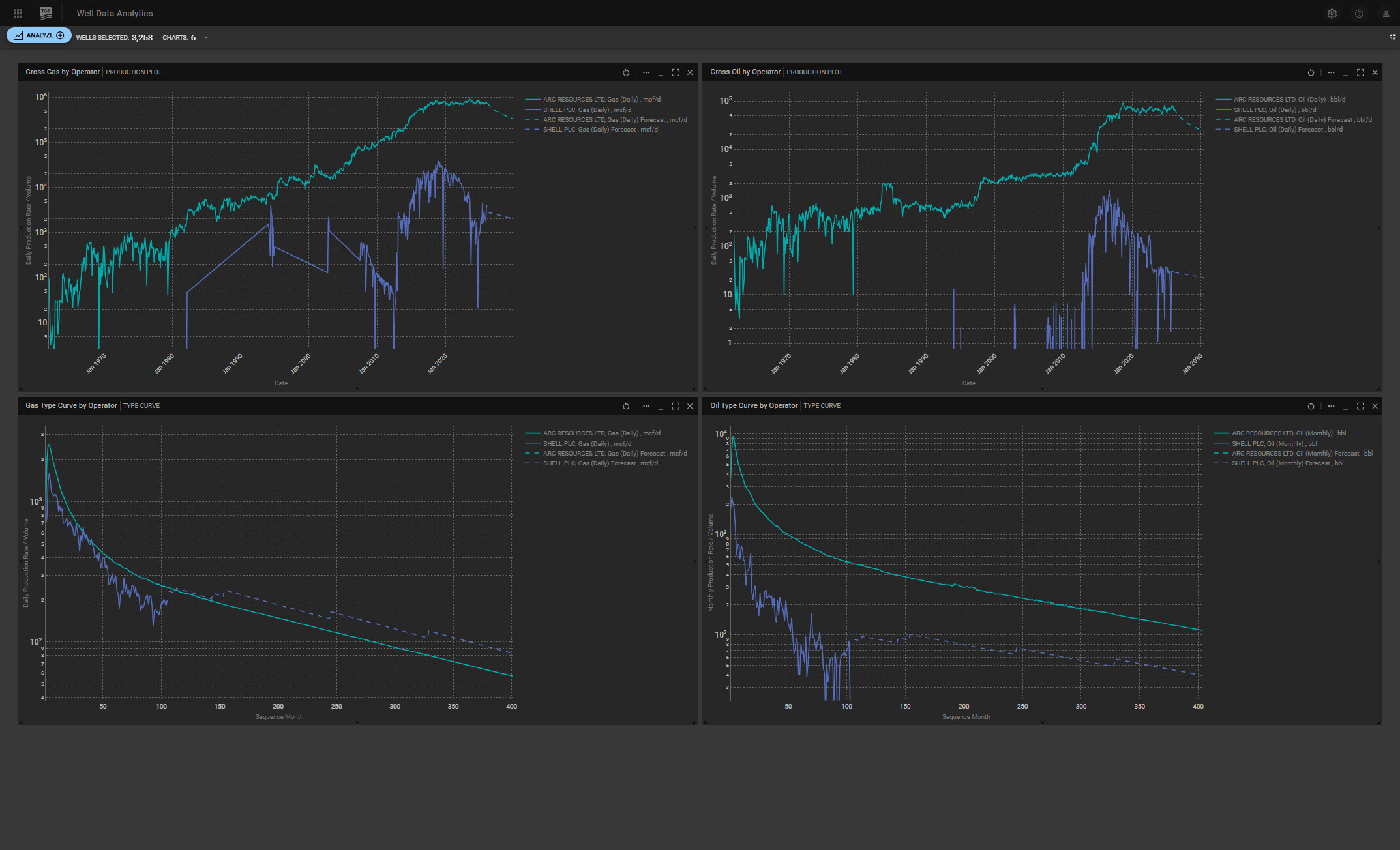
Figure 3. Shell and ARC Resources Kakwa Area Benchmark
While Shell’s acquisition of ARC Resources is part of a trend of consolidation across North America, it also represents a significant reorientation and leading indicator for the direction of the Canadian energy industry. The long inventory life assets acquired in this transaction will help feed Canada’s only active LNG facility at a time of global energy uncertainty, where many countries are re-evaluating where they source and how they manage their energy needs.
For more information about TGS Well and Production Data please contact us at WDPSales@tgs.com.