

Two years after expanding their eagle ford position, Baytex is now exiting the play
In February of 2023 Baytex Energy Corp announced an agreement to acquire Ranger Oil Corp for $2.5 billion in a bid to strengthen their Eagle Ford position. The acquisition combined Baytex’s non-operated position with Ranger’s primarily operated asset, resulting in a majority operated position distributed across a vast portion of the Eagle Ford oil window. Although Baytex has continued to develop the asset in the interim, they have now announced an exit from the Eagle Ford play with a sale to an undisclosed buyer for $3.25 billion in a shift to focus on their core Canadian assets. This week we’ve partnered with ComboCurve to evaluate the Baytex asset, showing a distributed production base across multiple Eagle Ford benches, favorable production benchmarks compared to other peers across the play, and ultimately a risked economic assessment with sensitivities to futures prices resulting in a baseline of 12% IRR.
When Baytex acquired the operated portion of this asset in early 2023 they highlighted the high-working interest operated PDP wells while also forecasting nearly 750 net undrilled locations split across Lower Eagle Ford, Upper Eagle Ford, and Austin Chalk with a plan to develop those locations on a 2-rig schedule yielding 50-55 wells per year. And in the time since the acquisition Baytex has brought 130 wells online resulting in an operated 42 MBOPD and 96 MMCFPD and a remaining 86 MMBO and 171 BCF in forecasted PDP reserves.
Observed GOR’s indicate a primarily liquids production base and production primarily from the Lower Eagle Ford, followed by the Upper Eagle Ford and the Austin Chalk. However, the Upper Eagle Ford appears slightly ahead on a productivity per foot basis (figure 1).
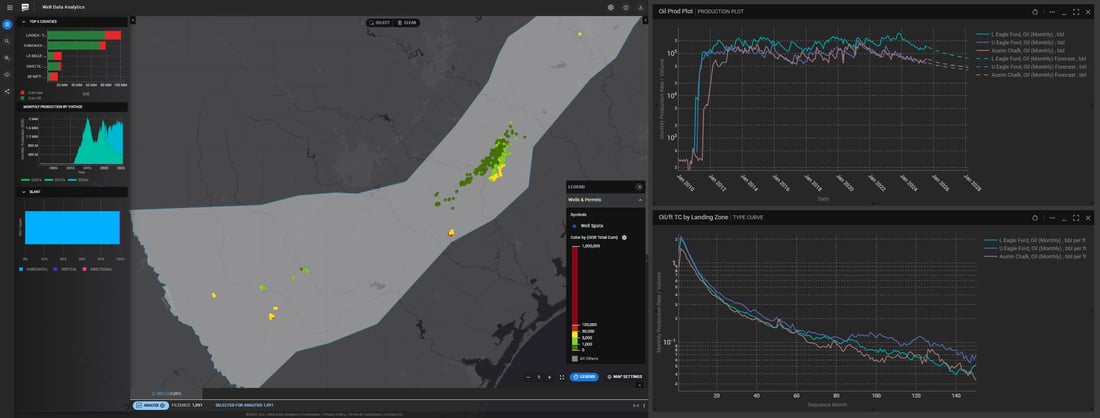
Figure 1. GOR map of Baytex Eagle Ford Assets in Well Data Analytics
When benchmarked against other peers in the play the Baytex asset shows gross comparable to other top operators, and in the top quartile of productivity per ft (figure 2). And geologically, Baytex wells in Gonzales and De Witt counties exhibit significant stratigraphic thickness (figure 3).
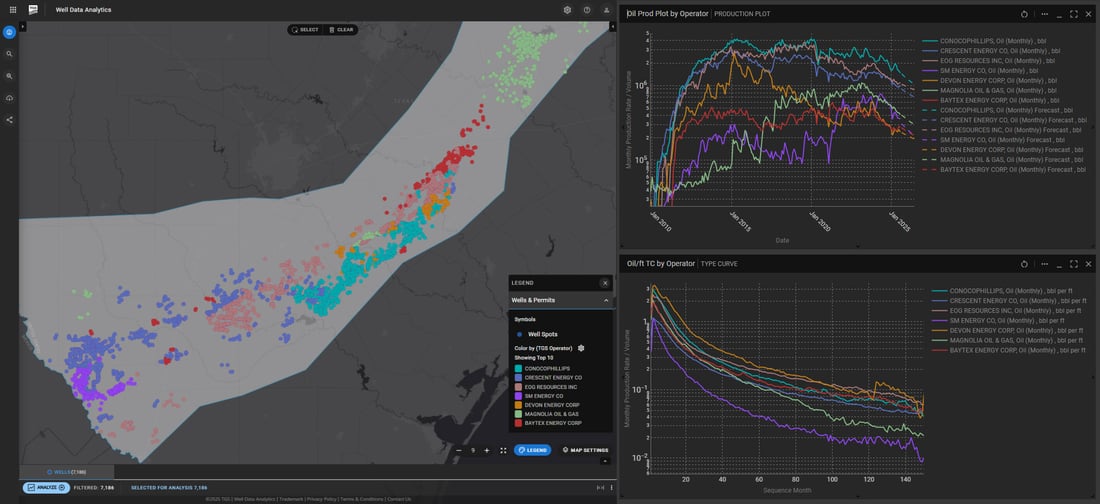
Figure 2. Benchmark of top Operators in the Eagle Ford in Well Data Analytics
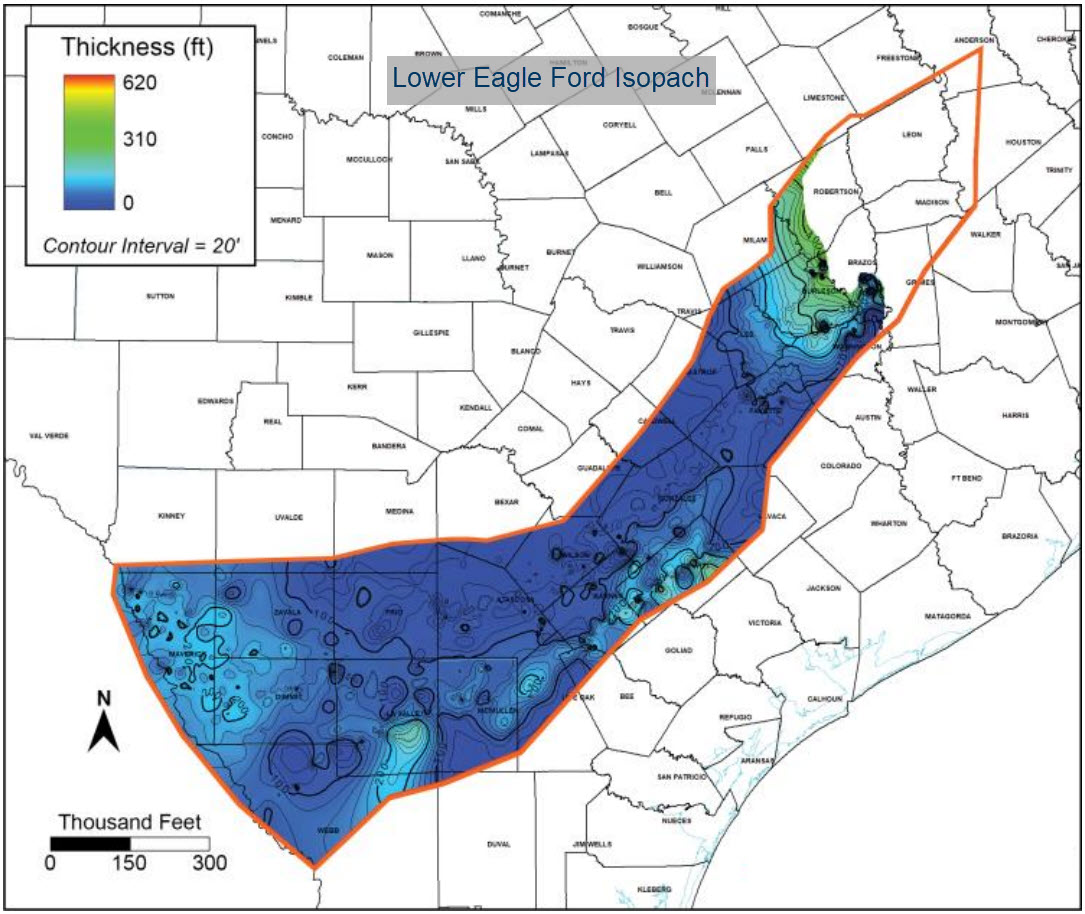
Figure 3. TGS Stratigraphic Interpretation of the Lower Eagle Ford
Taking the operated and non-operated production and a conservative development schedule into ComboCurve, we can run a sensitivity on oil price. Current Strip Price gives the full acquisition a 12% risked IRR when taking into account the $2.305B purchase price (figure 4). Economic assumptions were drawn from publicly available news releases and investor presentations. A full video walkthrough of the analysis is available here.
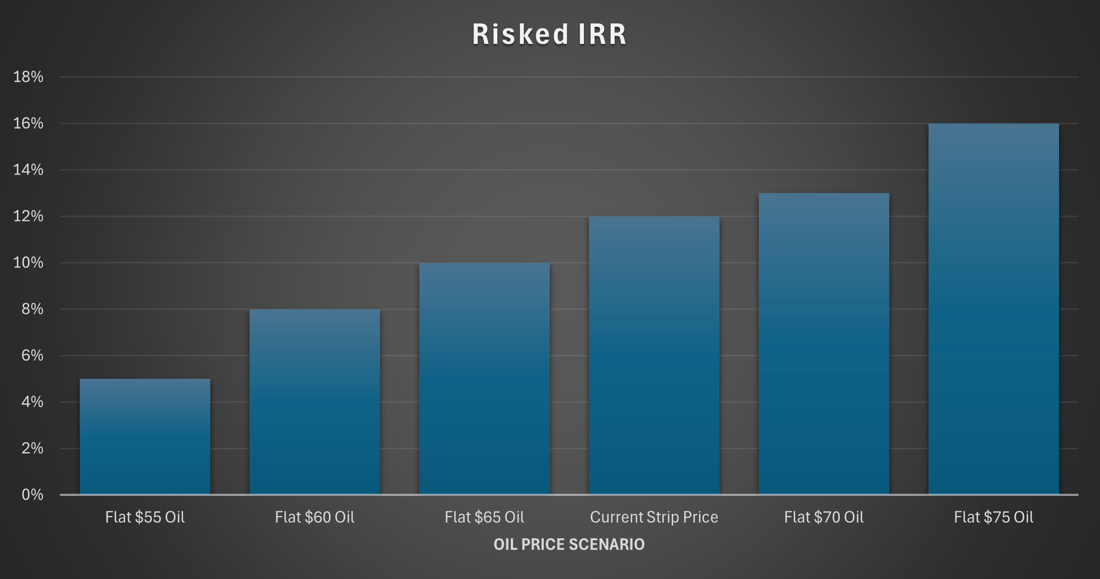
Figure 4. ComboCurve risked acquisition analysis of IRR at variable oil prices
These IRR’s were calculated with a 2-rig drilling program. Improvements to these values could be seen across the board with a more aggressive schedule as well as strategic targeting of quality locations. ComboCurve can generate heatmaps based on economic results. Performing a lookback on prior locations and generating an IRR heatmap shows where success has been found before based off well production, LOE, differentials, and all other economic inputs (figure 5). These results in conjunction with geologic analysis can provide optimal returns from the acquisition.
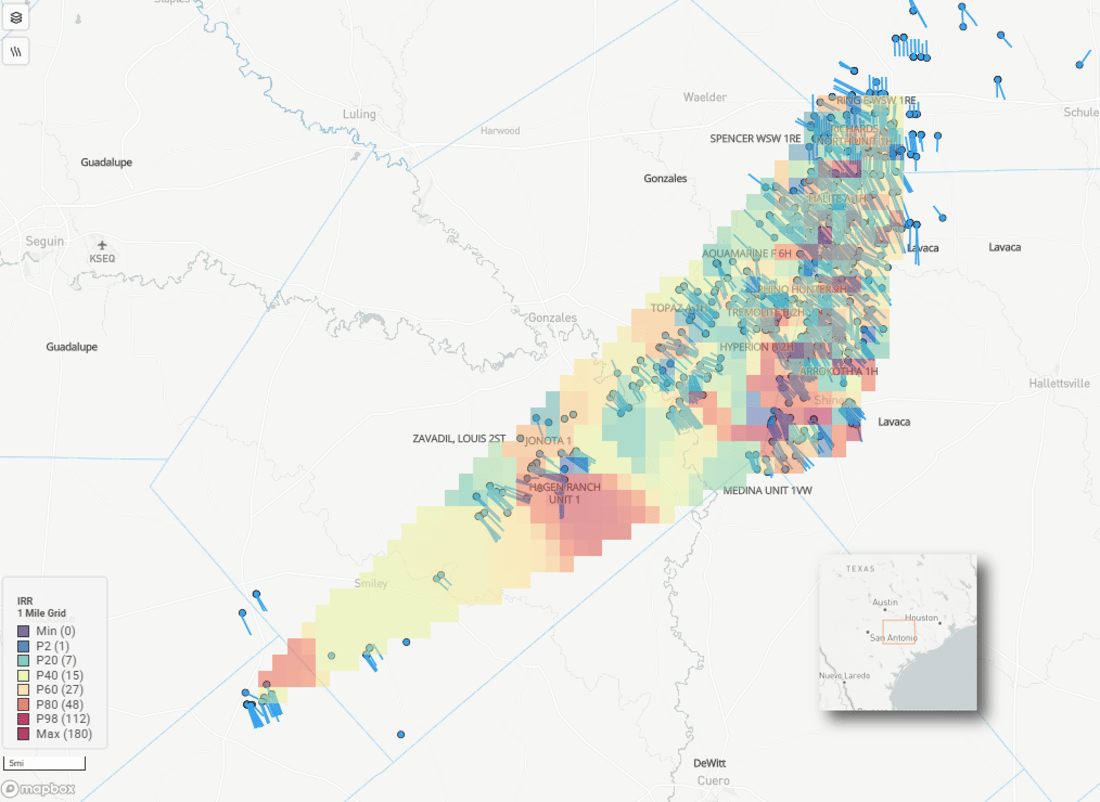
Figure 5. ComboCurve Heat Map of well-level IRR
Overall, the Eagle Ford is a mature, low-risk shale play. The assets come with predictable, albeit steep declining production. The growth multiple might not be as competitive as other shale plays but there is still a large inventory with long term runway. It can be a great fit for an operator that can be disciplined and strategic in growing this already producing asset.
For more information about TGS Well Data Analytics or to schedule a demo, please contact us at WDPSales@tgs.com. For more information about ComboCurve, click here.